
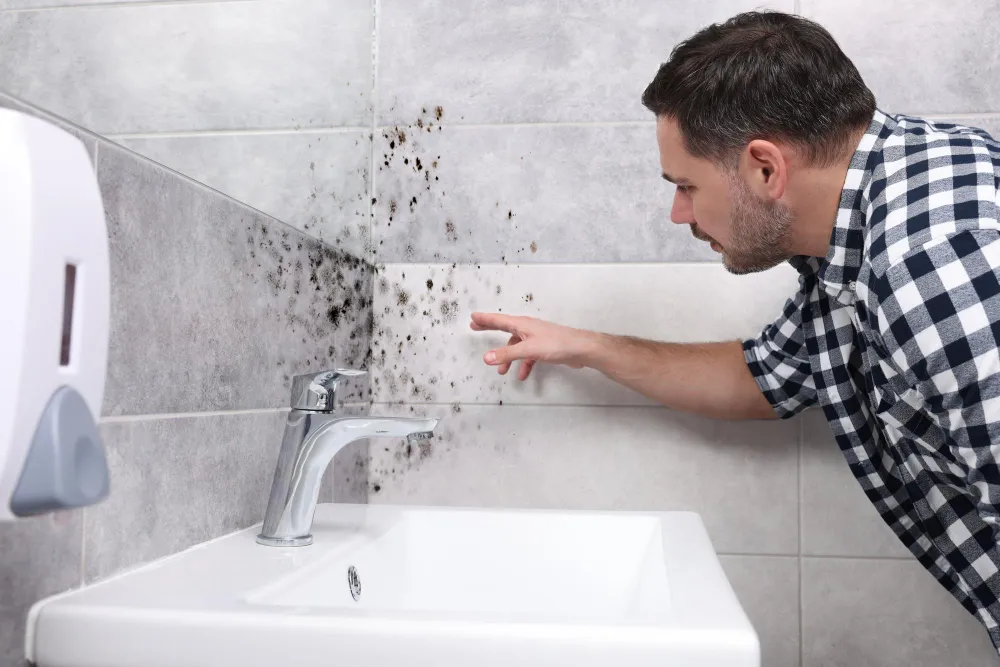


Have you noticed a musty smell in your bathroom no matter how often you clean? That lingering odor is often one of the earliest signs that excess moisture is creating the perfect conditions for mold to grow. Nearly 47% of residential buildings in the United States show visible mold or detectable mold odor, according to CBS News, and bathrooms are usually where it starts first.
However, with the right daily, weekly, and monthly practices, you can control the development of mold and prevent it from growing in your bathroom. In fact, there are several season-specific techniques to prevent mold.
This guide explains the daily, weekly, monthly, and seasonal habits that help prevent bathroom mold before it becomes a problem.
Common Causes of Bathroom Mold
- Run the exhaust fan during and after every shower to clear humid air.
- Wipe down wet surfaces and squeegee glass right after use.
- Hang towels and bath mats open so they dry fully between uses.
- Keep the shower curtain or door open after use instead of closed.
- Fix small drips and spills the moment you notice them.
- Scrub tile grout and corners weekly before soap scum builds up.
- Wash bath mats and shower curtains weekly to clear early mildew
- Disinfect faucet handles and other frequently touched wet spots weekly.
- Check caulking and under-sink pipes monthly for hidden leaks.
- Clean the exhaust fan cover monthly so it keeps pulling air properly.
- Watch for small gray or black specks and treat them early.
- Adjust the bathroom cleaning habits by season.
Why Mold Develops in Bathrooms
Bathroom mold rarely shows up out of nowhere. It builds gradually from a handful of everyday conditions most homes have in some form. Here are some of the most common reasons behind it:
- Moisture and Humidity: Water is the main cause of bathroom mold. Every shower fills the room with humid air that settles on walls, ceilings, and grout. If those surfaces stay damp for long, mold can begin to grow.
- Poor Ventilation: Bathrooms without strong airflow trap humidity long after the water turns off. Steam rises, settles on the coolest surface in the room, usually the ceiling, and stays there in the form of mold.
- Soap Scum: Soap scum is another cause behind mold in the bathroom. It coats tile and glass with a film that traps moisture underneath, and that film also holds fatty residue, which supports mold growth.
- Organic Residue: Hair, dead skin, and body oils flow down your drains and build up around fixtures every time you shower. Mold feeds on that leftover grime, which is why it often shows up around drain covers first.
- Cracked Grout: Grout is porous by nature, and once it cracks, water seeps behind tile instead of running off the surface. Mold colonies can start to grow on a damp surface within 24 to 48 hours. So, even a small grout crack can create mold.
- Trapped Dampness: Wet bath mats, damp towels, and pileups of laundry hold water against the floor. When items stay damp on the floor, mold develops underneath them within hours.
Why Should You Prevent Bathroom Mold?
Mold prevention protects both your health and your home. If left untreated, mold can trigger health problems and gradually damage bathroom surfaces. Taking preventive steps early helps you avoid both issues.
Protects Your Health
Mold exposure affects people differently, but the reactions are well recognized. According to the CDC, mold can cause sneezing, nasal stuffiness, a runny nose, red or itchy eyes, and skin rash in people with mold allergies. Also, it can irritate the eyes, nose, throat, or lungs even without a diagnosed allergy. That’s why it’s important to stop mold from building in bathrooms.
Prevents Bathroom Damages
Mold often points to excess moisture. That same moisture can soften drywall, stain ceilings, loosen paint, damage caulk, weaken grout, and cause wood trim to swell. Surface cleaning may remove visible spots, but it will not repair water-damaged materials. Stopping moisture early helps preserve the bathroom and reduces the chance of more extensive repairs.
Daily Habits That Help Prevent Bathroom Mold
Small daily actions stop moisture accumulation before mold gets a chance to start. Incorporating these simple habits takes just a few minutes each day.
Use the Exhaust Fan during and after Showers
Turn your bathroom exhaust fan on before you turn on the shower. Leave the fan running for twenty minutes after you finish bathing. This extra time clears the remaining steam and lowers the room’s humidity.
Open Windows When Possible
If the weather is good, open your bathroom window while you shower or right after you get out. Getting fresh air moving through the room pulls that humid air out fast. Fresh outdoor air replaces the trapped steam, which ultimately makes it less likely for mold to show up.
Wipe Down Wet Surfaces
Another thing you need to do is to keep a squeegee inside your shower stall. You can use it on the tile walls and glass doors immediately after your shower. A quick wipe removes the bulk of the standing water and lowers the chances of mold build-up.
Hang Towels and Bath Mats to Dry
Never leave wet towels crumpled on the floor or hanging in a damp heap. Instead, hang them evenly on towel bars so air circulates around them. Spread your bath mat over the edge of the tub to dry completely.
Keep the Shower Curtain or Door Open After Use
One more effective way to prevent mold is to pull your shower curtain completely open after you finish washing. Along with that, leave glass shower doors partly open when safe to do so. By doing so, you let the bathroom surfaces dry properly and avoid the moisture trap.
Fix Small Water Spills Immediately
Mold starts to develop when you do not pay attention to small issues that can lead to excess moisture and residue buildup. So, dry any puddles on the floor right away. Water from a leaky faucet or a splashing child creates localized dampness. Therefore, grab a towel and dry the floorboards immediately.
6 Weekly Bathroom Habits to Keep Mold Away
Daily habits control moisture, but weekly cleaning removes the buildup daily wiping cannot reach. So, if you do not want mold to grow, make sure you follow the preventive practices below.
1. Clean the Shower and Bathtub
Scrub tile, glass, and the tub basin with a cleaner built for soap scum. This breaks down the film mold uses as a food source before it spreads.
2. Scrub Tile Grout and Corners
Grout lines and corners hold onto moisture far longer than flat tile, which is exactly why black mold in the shower tends to show up along these seams first. A stiff brush and a weekly scrub keep it from taking hold.
3. Disinfect Frequently Touched Wet Areas
Faucet handles, soap dish edges, and the shower door track collect moisture fast. A quick disinfecting wipe keeps mold from settling into these seams.
4. Wash Bath Mats and Shower Curtains
Bath mats and fabric shower curtains hold onto moisture even after they look dry. Toss them in the wash weekly to clear out mildew starting underneath.
5. Empty and Clean Bathroom Trash Bins
Damp tissues and cotton pads sitting in a bin create a small, contained space where mold can grow in unnoticed. Make sure to empty the bin and wipe it down once a week.
6. Check for Signs of Moisture Buildup
Look behind the toilet, under the sink, and along the baseboards for dampness or a musty smell. Catching moisture early beats dealing with mold once it spreads.
Monthly Bathroom Mold Prevention Practices
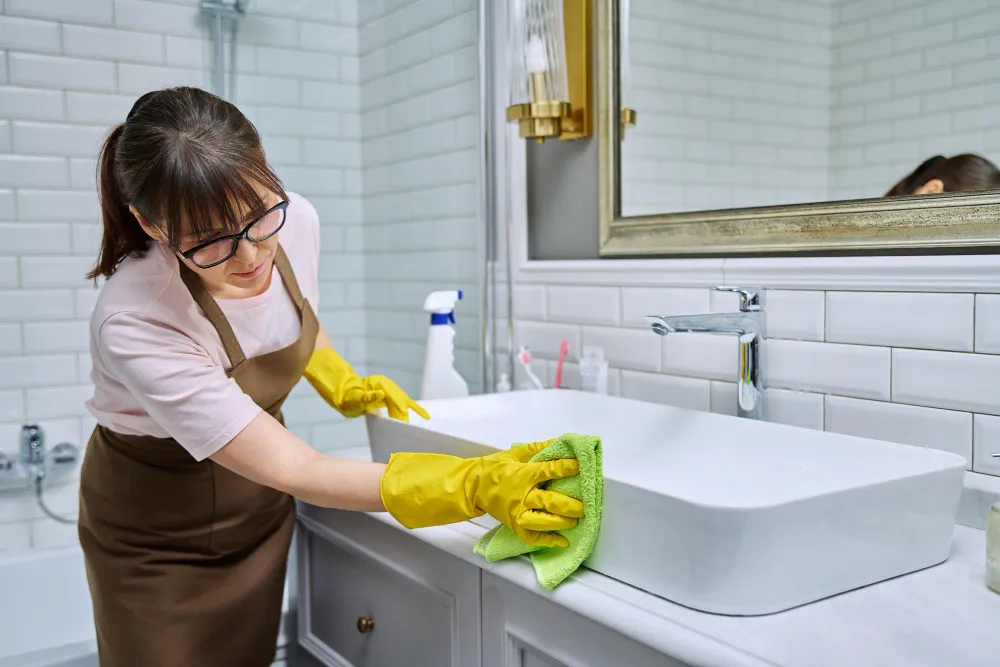
Some mold risks only show up over weeks, which is why a monthly check matters just as much as daily and weekly habits. Here is what you need to keep an eye on every month:
Inspect Caulking Around Fixtures
The very first thing you need to do at the end of every month is to inspect the caulk around your bathtub, sink, and toilet. Look for peeling, cracking, or black spots forming along the edges. Old caulk lets water leak behind walls. So, make sure you do a deep inspection.
Check Under the Sink for Leaks
You also need to check the area beneath the sink once a month for moisture, damaged pipes, or slow leaks. You can open your vanity cabinet and look at the plumbing pipes. Feel around the connections for dampness or slow drips. If you feel even a minor pipe leak, fix it to prevent cabinet mold.
Clean the Exhaust Fan
Cleaning the exhaust fan each month helps it remove humid air efficiently. Dust buildup reduces airflow and allows moisture to remain in the bathroom longer. That’s why checking them must be an integral part of your monthly mold prevention checklist. Remove the plastic cover on your exhaust fan monthly. Also, use a vacuum attachment or a damp cloth to remove trapped dust.
Look for Early Signs of Mold Growth
Small gray or black specks in the corners or along the grout are easier to handle early on. At this stage, you can usually clean up bathroom mold with a basic mold cleaner and a scrub brush long before it spreads enough to call in a professional. Therefore, check grout lines, corners, caulk, and other damp areas for early signs of mold each month.
Seasonal Habits That Prevent Bathroom Mold
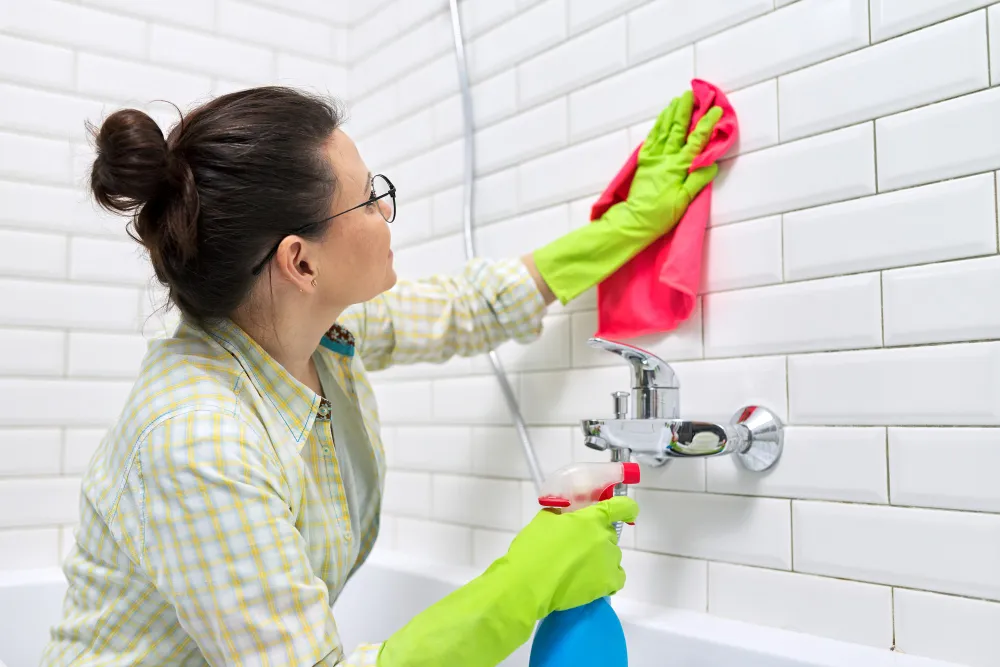
Mold build-up does not stay the same all year. Humidity, temperature, and how often windows stay open all differ with the seasons, and each change affects how fast moisture builds up in a bathroom.
For instance, spring cleaning tips can fall short once summer humidity rolls in or winter forces every window shut for weeks at a time.
Building a few season-specific checks into your regular routine closes that gap before it turns into a mold problem, and it only takes a few extra minutes each time the weather turns.
Here is a quick breakdown of what you need to focus on in different seasons:
| Season | Main Focus | Watch For |
| Spring | Deep clean grout, mats, and curtains after a closed up winter. | Musty odors that built up while windows stayed shut |
| Summer | Control humidity with fans, air conditioning, or a dehumidifier. | Sticky, damp air that lingers even right after cleaning |
| Fall | Inspect plumbing, caulking, and exhaust fan function before windows close for winter. | Small leaks that get worse once heating season starts |
| Winter | Manage condensation on cold windows, walls, and mirrors. | Water droplets on glass or paint that look like they are starting to bubble |
The Final Words
Preventing bathroom mold comes down to consistent habits rather than one major solution. Daily moisture control, weekly cleaning, monthly inspections, and seasonal maintenance all work together to stop mold before it spreads. If you skip these steps, it adds up to exactly the conditions mold needs. Once these habits become routine, most bathrooms stay mold-free for the long term.
However, some bathrooms build up more grime and moisture than a routine cleaning can handle, especially in busy households or older homes with worn grout. For such homes, Alex Cleaning provides eco-friendly, non-toxic deep cleaning throughout Richboro, Bucks County, and the greater Philadelphia area, using products that are safe for families and pets.
Every visit comes with transparent pricing, a free estimate, and a 100% satisfaction guarantee. Call (215) 677-9717 or request a free quote to get your bathroom back to a cleaner.
Frequently Asked Questions
What causes mold in the bathroom ceiling?
Ceiling mold usually comes from warm, humid shower steam settling on a cool surface with no way to escape. That moisture trap is what leads to mold in the long term.
How do I stop my bathroom from getting moldy?
Consistent moisture control stops bathroom mold before it starts. Run the exhaust fan during showers, wipe down wet surfaces, and check caulking monthly.
Does opening windows reduce mold?
Opening a window pulls humid air out and replaces it with drier outside air, lowering the moisture mold needs to grow. It works best alongside an exhaust fan, not in place of one.
What permanently kills mold?
No single product can permanently kill mold if the moisture problem stays in place, since spores return once conditions are right again. Pairing a mold-specific cleaner with better ventilation keeps it from coming back.
What are the first signs of mold?
Early mold usually shows up as small gray, green, or black specks along grout or corners that stay damp, often with a musty smell before any spots are visible.