


A freshly cleaned carpet looks great, but stepping on it too soon or moving your furniture back before it dries can cause stains, deep dents, or even mold. Knowing how long your carpet takes to dry helps you protect your floors and plan your day without any surprises.
Below, we break down drying times by method, the factors that slow things down, and exactly how to speed up the process without damaging your carpet.
Carpet Drying Time by Cleaning Method – A Quick Comparison

Different cleaning methods leave different amounts of moisture behind. The following table shows estimated carpet drying times by cleaning method to help you plan your day.
| Cleaning Method | Typical Drying Time | Water Used |
| Hot Water Extraction (Steam Cleaning) | 6 to 24 hours | High |
| Dry Carpet Cleaning (Encapsulating) | 1 to 4 hours | Minimal |
| Carpet Shampooing | 4 to 12 hours | Moderate to High |
| Bonnet Cleaning | 1 to 3 hours | Low |
How Long Does Each Carpet Cleaning Method Take to Dry?
Based on hundreds of carpet cleaning jobs we have done across Bucks County and the surrounding neighborhoods, we identified the following factors that make the biggest difference:
Hot Water Extraction (Steam Cleaning)
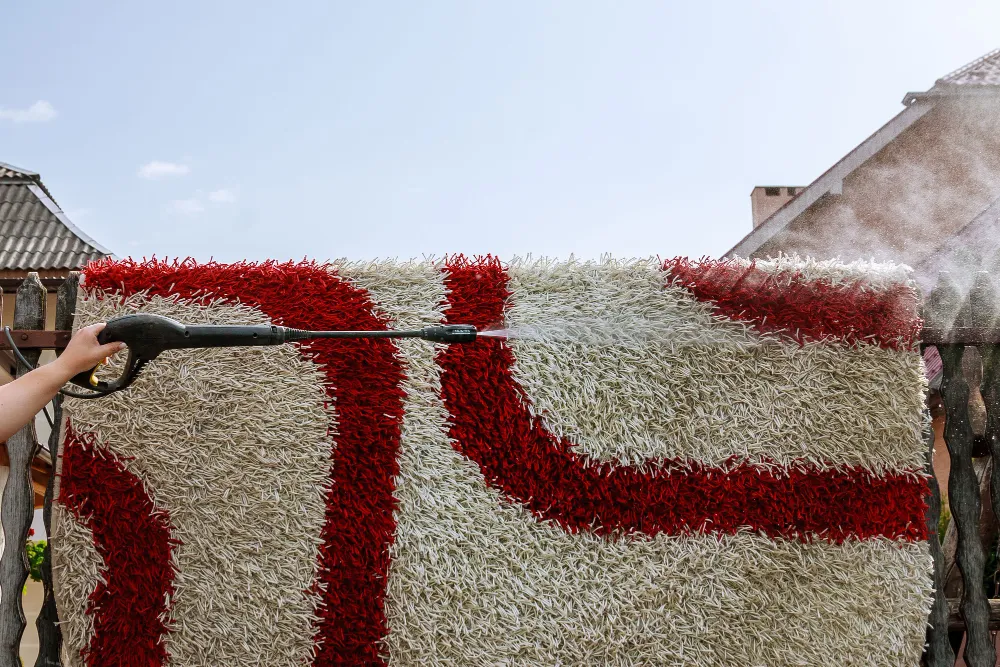
Hot water extraction, also called steam cleaning, usually takes 6 to 24 hours to dry fully. This method pushes hot water and cleaning solution deep into the carpet fibers, then pulls most of it back out with a powerful vacuum.
Steam cleaning reaches deep into the pile and padding, which makes it suitable for removing embedded dirt and allergens, and that same depth is exactly why it takes longer to dry. A skilled technician using strong extraction equipment can bring that window closer to 6 to 8 hours, while weaker equipment can stretch it toward 24 hours or more.
Dry Carpet Cleaning (Low Moisture / Encapsulation)
Dry carpet cleaning, sometimes called low-moisture cleaning or encapsulation, typically dries in 1 to 4 hours. Instead of soaking the carpet, this method uses a cleaning compound or foam that surrounds dirt particles and crystallizes them for easy vacuuming.
Since a small amount of liquid touches the carpet, very little is left to evaporate, which makes it a strong option for offices and any space that cannot afford to be closed for a full day. That’s the reason most of our commercial carpet cleaning jobs use dry cleaning.
Carpet Shampooing
Carpet shampooing generally takes 4 to 12 hours to dry. A rotary machine works with a foamy shampoo into the carpet fibers to lift dirt, and the residue is vacuumed once it dries and crystallizes. This method uses more water than encapsulation, but usually less than a full steam clean. So, its drying time sits right in the middle.
Bonnet Cleaning
Bonnet cleaning dries the fastest among common professional methods, usually within 1 to 3 hours. A spinning pad soaked lightly in cleaning solution buffs the top of the carpet fibers. It cleans the surface effectively but does not reach deep into the pile, so many technicians treat it as a maintenance method between deeper cleans rather than a replacement for hot water extraction.
7 Factors That Affect How Long Your Carpet Takes to Dry
The following factors affect how long your carpet takes to dry:
- Carpet Material and Fiber Type: Synthetic fibers such as nylon and polyester release water faster than natural fibers like wool, which absorb moisture more deeply and hold onto it longer.
- Carpet Thickness, Pile, and Padding: A thick, plush carpet with dense padding holds far more water than a low-pile carpet, so it naturally takes longer to release that moisture.
- Amount of Water Used and Extraction Power: More water going in means more water needs to come out, which is why the strength of the extraction equipment matters as much as the method itself.
- Indoor Humidity Levels: Carpet dries through evaporation, and humid air cannot absorb as much moisture. A carpet cleaned on a muggy afternoon will dry noticeably slower than one cleaned on a dry winter day.
- Room Temperature and Season: Warmer air moves moisture more efficiently, so a heated room in winter or an air-conditioned room in summer both dry carpet faster than a cold, closed-up space.
- Airflow and Ventilation: Still air traps moisture right at the carpet surface. Moving air replaces that damp layer with drier air, which speeds up evaporation considerably.
- Technician Skill and Equipment Quality: A technician who overwaters the carpet or uses underpowered equipment can add hours to the drying period. This is one of the biggest, and most overlooked, variables in the whole process.
How to Make Your Carpet Dry Faster After Cleaning
We recently cleaned a basement carpet in Warminster where the homeowner had tried a rental machine the year before, and that carpet stayed damp for almost two days. On our next visit, running fans and dehumidifiers alongside our own extraction equipment brought the same carpet to fully dry within about eight hours.
Here are proven methods we recommend to our customers to dry carpet faster:
- Turn On Fans and Air Movers: Point standing or ceiling fans at the carpet to keep air moving across the surface.
- Open Windows or Run the AC: Fresh airflow or air conditioning lowers indoor humidity, helping moisture evaporate rather than sit in the fibers.
- Use a Dehumidifier: Dehumidifiers help the most in basements, humid climates, or rooms with poor natural ventilation.
- Ask Your Tech to Blow Dry: Most professional crews will do a final pass with an air mover to speed the drying process, and ours are no different.
- Limit Foot Traffic While Carpet Is Damp: Wet carpet means moisture is pressed back down into the padding and dirt is pushed deeper into the fibers.
- Keep the Room Warm and the Air Moving: A slightly warmer room will speed evaporation, so don’t turn off the heat or AC immediately after cleaning.
How Long Before You Can Walk on the Carpet
You can typically walk on carpet in socks or bare feet within 2 to 6 hours after cleaning, though it may still feel slightly damp. We recommend waiting until the carpet feels dry, not just cool, before wearing regular shoes on it, since outdoor shoes track dirt that sticks easily to damp fibers. Keep pets and small children off the carpet for at least a few hours to protect your cleaning investment.
How Long Before You Can Put Furniture Back
Homeowners often put furniture back on their carpets just 4 to 6 hours after cleaning, but we do not recommend this. Even if the surface feels dry, moisture can still remain deep within the carpet, leaving rust stains on metal furniture. We recommend waiting at least 24 hours before returning furniture to a cleaned carpet and longer if the carpet still feels damp beneath.
What Happens If Carpet Stays Wet Too Long?
Carpet that stays wet for more than 24 to 48 hours creates real conditions for mold and bacteria to take hold, not just a minor inconvenience. Here is what you might have to face if your carpet remains wet longer than normal:
Risk of Mold and Mildew Growth
According to the U.S. Environmental Protection Agency, it is important to dry water-damaged materials within 24 to 48 hours to prevent mold growth. Damp carpet padding is precisely the dark, moist environment mold needs to spread. So, you should try to speed up the drying process to avoid the risk of mold.
Musty Odors and Bacterial Growth
Trapped moisture feeds bacteria that produce the sour, musty smell people associate with old carpet. Once that odor sets in, it usually needs a second deep clean or padding replacement to resolve. That’s why you should make sure that your carpet does not take too long to dry, especially after deep cleaning services.
Damage to Subfloors and Padding
Extended moisture can seep into the subfloor, which may lead to warping in wood subfloors or staining that shows through the carpet once it finally dries. The CDC also notes mold exposure can trigger a stuffy nose, coughing, or worse reactions in people with asthma or mold allergies, one more reason drying carpet properly matters.
How to Tell If Your Carpet Is Fully Dry
There are two simple tests we usually recommend to homeowners to determine whether their carpet is completely dry. Let’s go through each and learn how to apply them.
1. Simple Touch and Towel Test
Press a clean white towel firmly onto the carpet for about ten seconds. If it comes away dry, the carpet is likely dry all the way through. If it picks up any moisture, give the carpet more time.
2. Visual and Odor Cues to Watch For
Carpet that is still drying often looks slightly darker in patches than the surrounding area and may feel cool rather than room temperature. A musty or damp smell is a clear sign that moisture is still trapped, even if the surface feels dry to a quick touch.
Steam Cleaning vs Dry Cleaning: Which Dries Faster?
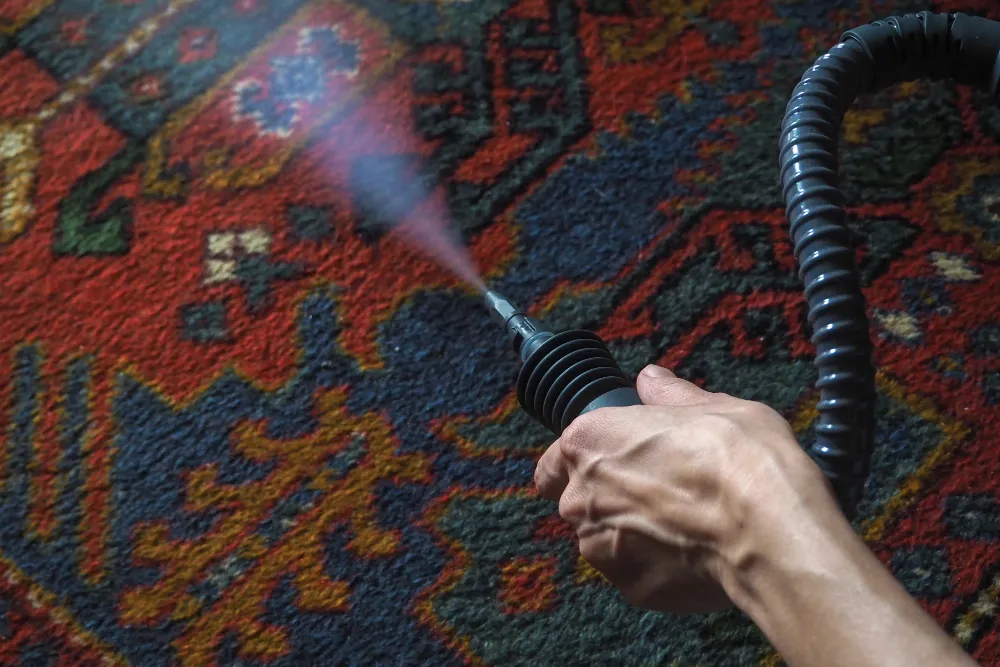
Dry carpet cleaning dries significantly faster than steam cleaning, usually within 1 to 4 hours compared to 6 to 24 hours for hot water extraction. That speed comes with a trade-off worth understanding before you choose a method.
Steam Cleaning vs Dry Cleaning Drying Times
Dry cleaning methods use a fraction of the moisture that hot water extraction does, which is the entire reason they dry so much faster. However, according to Angi, a leading provider platform for home services, 46% of homeowners still prefer steam cleaning over dry cleaning. The reason? When hot water is extracted from a carpet, it receives a deeper clean.
Trade-offs Between Deep Clean and Fast-Dry
Hot water extraction penetrates deeper into the carpet fibers and padding, which the IICRC recognizes as a core standard for the removal of embedded soil and allergens. Dry cleaning suits surface maintenance and fast turnaround well, but it does not replace the deep extraction that heavily soiled carpet often needs.
Pro Tip: For households with kids or pets on a tighter turnaround, we suggest starting with a dry cleaning pass and scheduling hot water extraction for a day when the family can work around a longer drying window.
Final Words
In short, carpet drying time varies based on different factors. Among them, the cleaning method is the most important one, and after going through this guide, we hope that you are now clear about the drying period of all the methods. You now have the information you need to choose the cleaning method that best fits your schedule and cleaning needs.
We at Alex Cleaning are here to achieve the best possible results while reducing drying times. We serve Richboro, Bucks County, and the greater Philadelphia area with eco-friendly, non-toxic cleaning and equipment that’s strong enough to reduce drying time.
If you want a carpet that gets properly clean and dries as fast as the method allows, get a free estimate or call (215) 677-9717.
Frequently Asked Questions
Is it normal for carpet to still be damp after 12 hours?
Damp carpet after 12 hours is common for hot water extraction, especially in humid weather or rooms with little airflow. It usually points to normal drying rather than a problem, but a fan or dehumidifier will speed things along if it feels slower than expected.
Can I speed up drying with a regular household fan?
A standing or box fan pointed at the carpet works well. Position it low and angled across the surface rather than straight down, since airflow across the fibers evaporates moisture faster than airflow pushing straight into them.
Does vacuuming a damp carpet help it dry faster?
Vacuuming a wet carpet can push water deeper into the padding and possibly ruin a regular vacuum. Allow the carpet to dry out completely before vacuuming it again.
What carpet cleaning method dries the fastest?
Bonnet cleaning and dry carpet cleaning are the fastest drying methods and can often be dry in 1 to 4 hours. Both apply a light amount of moisture to the surface rather than deep saturation, leaving far less water behind to evaporate.