
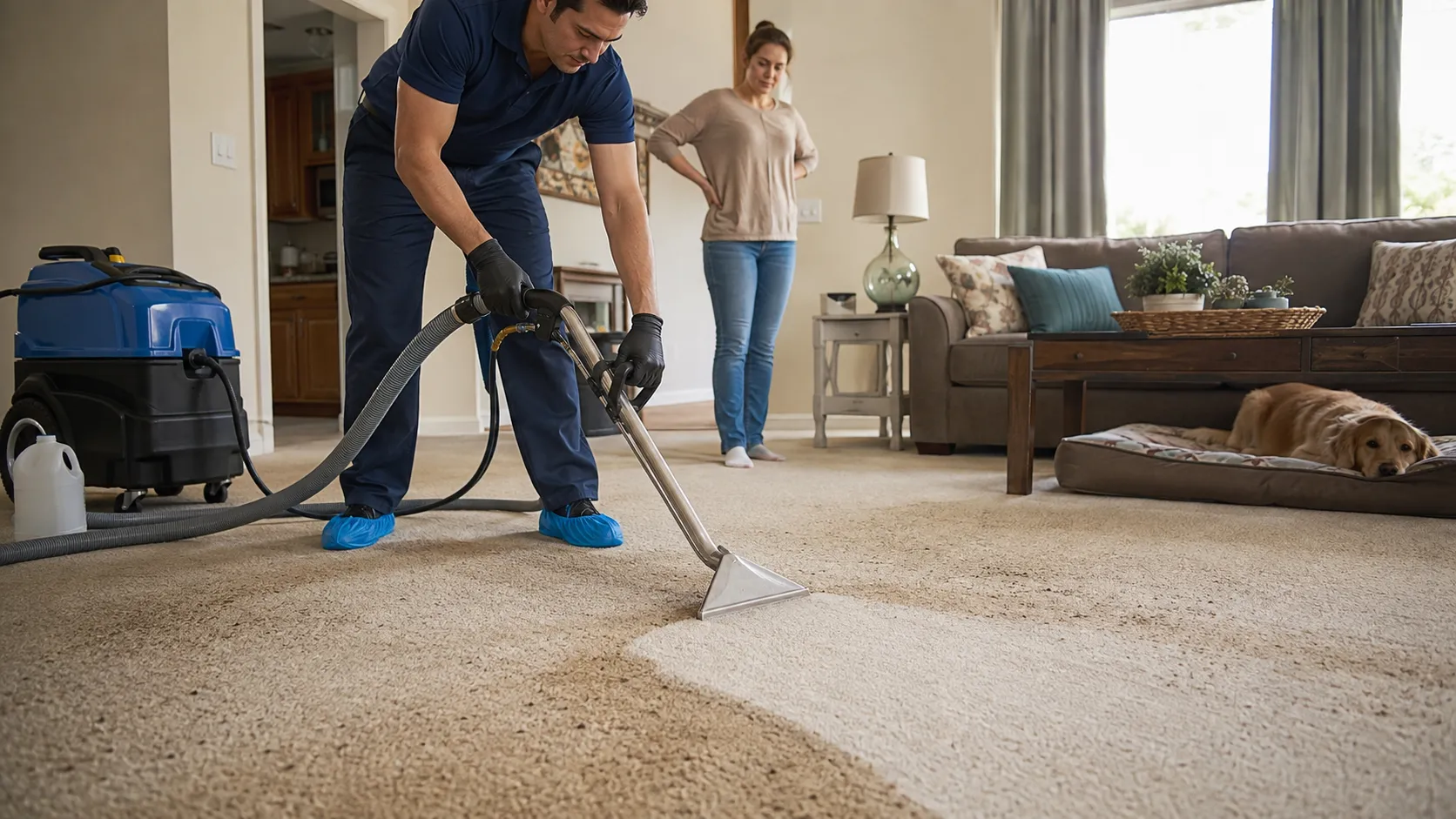


According to VCA Animal Hospitals, only about 5% of a flea population consists of adult fleas living on pets. The other 95% consists mainly of eggs, larvae, and pupae developing in carpets, bedding, furniture, floor gaps, and other parts of the home.
When you realize those numbers, it makes total sense why treating your dog or cat alone may not resolve the problem. Those tiny pests are making themselves comfortable right down in the fabric of your living space.
While dealing with fleas feels overwhelming, it is entirely manageable. As professional carpet cleaners, we often get asked whether cleaning the carpet actually kills fleas, how high heat and extraction affect these pests, and what steps you can take to give your carpets a thorough reset.
So, here is a complete guide on how deep carpet cleaning fits into the process and what it takes to refresh your home.
Will Deep Cleaning Carpets Kill Fleas? A Quick Answer
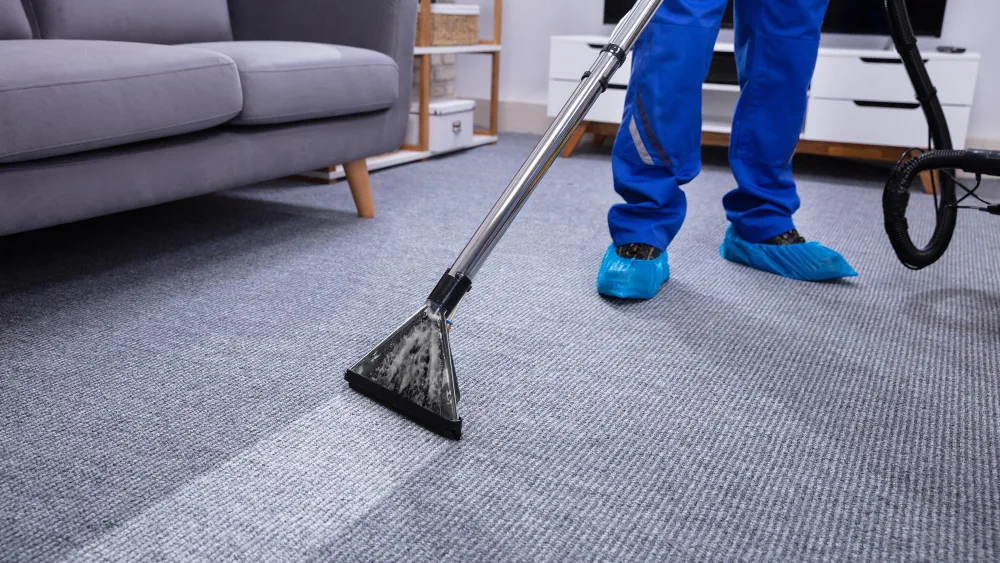
Deep carpet cleaning can kill and remove a large portion of the fleas, eggs, and larvae currently living in the fibers.
However, deep cleaning is unlikely to destroy every single pupa buried deep near the carpet backing or under baseboards.
Since surviving pupae can hatch days later, deep carpet cleaning works best as a powerful supporting tool alongside pet treatments and pest control rather than as a standalone solution.
Where Do Fleas Live in Carpets?
To understand why these insects are so tough to get rid of, it helps to look at the flea life cycle in your carpet. Flea eggs and larvae can settle deep between carpet fibers, where they are harder to see and remove with surface cleaning alone.
| Life Stage | Where It Lives in Carpet | How It Behaves |
| Eggs | Base of fibers near backing | Smooth ovals that roll off pets and drop deep into pile |
| Larvae | Deep carpet backing & baseboards | Crawls away from light to feed on flea dirt and organic dust |
| Pupae | Inside sticky silk cocoons | Resists moisture and sprays while waiting for a host to pass |
| Adults | Top of carpet & host animals | Emerges from cocoons to jump onto pets or ankles for blood meals |
How Does Deep Carpet Cleaning Affect Fleas?
When you bring heavy cleaning equipment onto a carpet infested with fleas, different physical and thermal processes happen at the exact same time. Here is a breakdown of how that machinery actually impacts the bugs hiding down in the fibers.
Heat May Kill Directly Exposed Fleas, Eggs, and Larvae
High water temperatures dramatically alter the environment. Heat can help kill fleas and immature stages that the cleaning process reaches. Steam cleaning is used for infested carpets because hot steam and soap can kill fleas at different stages of their life cycle.
Extraction Can Remove Fleas, Eggs, Larvae, and Debris
Beyond heat, the sheer force of suction plays a huge role. Deep-cleaning machines inject water and immediately draw it back up into a recovery tank. This liquid flow grabs loose eggs, dead bugs, and flea dirt that larvae eat, helping to remove them from your home.
Agitation Helps Loosen Material From Carpet Fibers
Carpet brushes and cleaning tools scrub the carpet fibers as they move. Agitation helps loosen embedded soil and debris from carpet fibers so the extraction process can remove it more effectively.
Which Carpet-Cleaning Method Works Best Against Fleas?
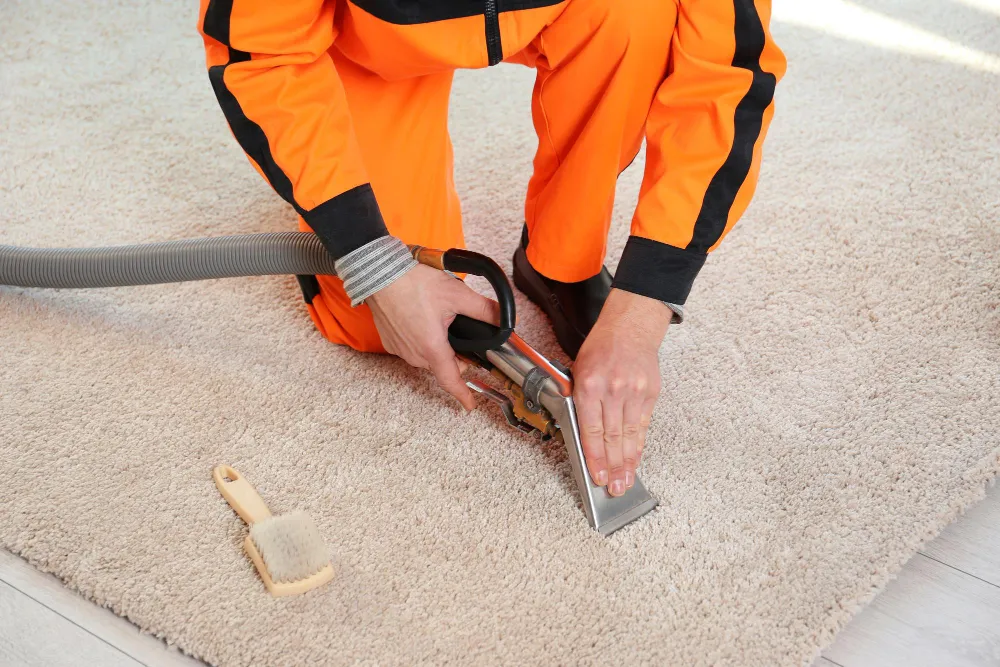
Different floor care techniques yield very different results when dealing with an active pest problem. The most common carpet-cleaning methods that work against fleas are:
| Method | Flea Impact | Limitation |
| Hot Water Extraction | Kills/removes exposed fleas and eggs and larvae via heat & suction | May miss pupae inside cocoons |
| Carpet Shampooing | Removes surface dirt and some adult fleas | Cool water fails on eggs; dampness risks hatching |
| Dry Carpet Cleaning | Cleans surface dust and loose particles | Lacks thermal energy to reach deep pests |
| Thorough Vacuuming | Pulls up surface eggs and triggers pupae to hatch | Does not kill on contact or treat pets |
Hot Water Extraction
Hot water extraction stands out as one of the most effective methods for handling flea-infested carpets. By combining high temperatures with deep-reaching suction, it cleans into the carpet pile where flea eggs, larvae, and debris may be present.
The intense heat breaks down egg structures, while the continuous vacuum pull removes the food sources that surviving larvae need to grow.
Carpet Shampooing
Carpet shampooing uses specialized detergents and rotary brushes to scrub carpet fibers. The mechanical scrubbing loosens flea dirt and captures some surface insects.
But if the carpet stays damp for too long afterwards, that leftover humidity can actually create a cozy setting for remaining eggs to hatch faster.
Dry Carpet Cleaning
Dry cleaning methods rely on absorbent powders or low-moisture chemical foams worked into the top layer of the carpet. While this approach works well for quick surface maintenance on delicate materials, it lacks the deep thermal penetration necessary for pest control.
Thorough Vacuuming
Vacuuming is your best daily defense. Passing a vacuum over your carpet sucks up loose eggs and adult fleas from the surface.
The vibration also tricks pupae into hatching out of their cocoons, making them much easier to kill with your next treatment.
Why Carpet Cleaning Alone May Not End a Flea Infestation
Sometimes, carpet cleaning alone may not end a flea infestation because pupae tucked away inside baseboard cracks, under heavy furniture legs, or deep within the carpet padding often survive the cleaning process.
On top of that, if your pets are still carrying live fleas, they will simply drop fresh eggs onto your newly cleaned carpet within hours.
To stop the cycle completely, you need to pair your carpet care with direct pet treatments and broad environmental controls, such as treating baseboards, washing pet bedding in hot water, and using insect growth regulators throughout your home.
Should You Deep Clean the Carpet Yourself or Hire a Professional?
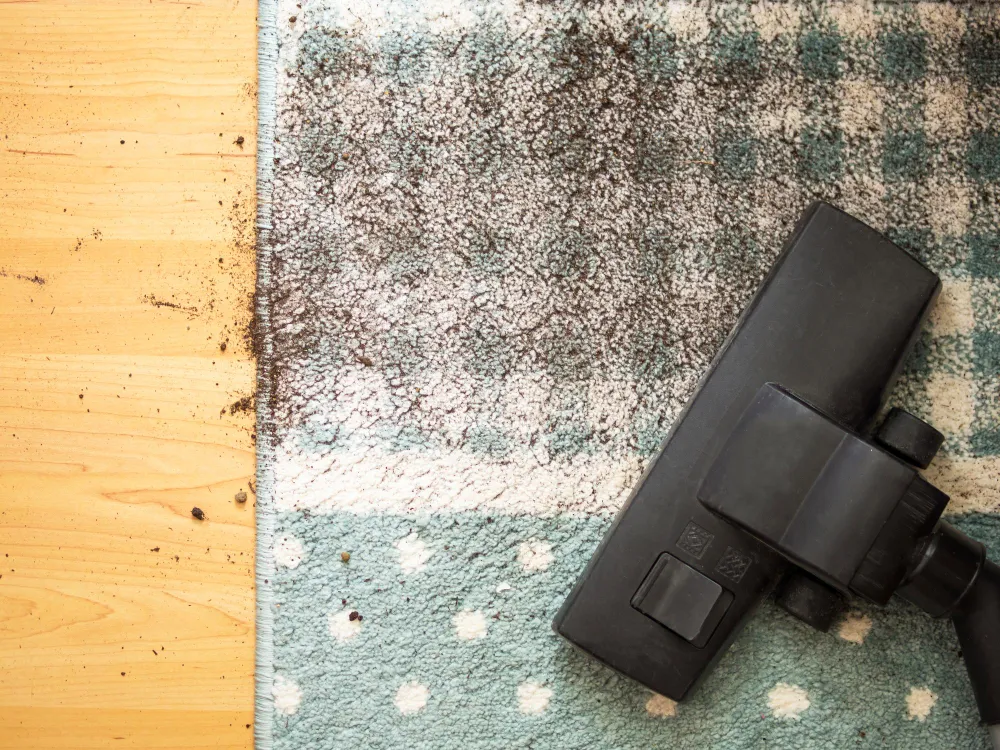
Deciding whether to rent a machine or bring in a professional team usually depends on how far the infestation has spread, the power of equipment you are using, and how much work you want to do yourself.
Here is how both options compare so you can decide what fits your current situation best.
| Factor | DIY Carpet Cleaning | Professional Carpet Cleaning |
| Equipment strength | Uses smaller portable units with lower heating and suction capacity | Uses high-powered truck-mounted or industrial systems |
| Water removal | May leave carpets damp longer due to weaker vacuum motors | Extracts a higher percentage of moisture for faster drying |
| Cleaning depth | Reaches the top-to-middle sections of the carpet pile | Reaches deep into the carpet backing and lower fibers |
| Carpet knowledge | Depends entirely on your own research and experience | Handled by trained technicians who know delicate fabrics |
| Convenience | Requires carrying equipment, manual labor, and machine cleanup | Full labor, setup, and execution are handled for you |
| Flea-control role | Works as a helpful maintenance step for minor surface cleanup | Provides maximum deep extraction, though pest treatments are still needed |
How to Prepare for Deep Carpet Cleaning During a Flea Infestation
Whether you rent one or hire a professional team, getting the space properly prepped makes a massive difference in the final results before you start cleaning.
We suggest following these quick steps so your cleaning reaches every hidden spot:
Treat Your Pets With Veterinary Guidance
Your first priority should be to consult your veterinarian about safe treatments for all dogs and cats in the house. Treating every pet in the home helps reduce the chance that adult fleas will continue feeding and laying new eggs during the control process.
Contact Pest Control When Necessary
If you are seeing heavy pest activity across multiple rooms, speaking with a licensed pest control operator can be immensely helpful. They can apply targeted treatments or growth regulators that may stop flea larvae from maturing into adults.
Vacuum Carpets, Furniture, and Room Edges
Running a vacuum thoroughly across all carpeted spaces, under couch cushions, and right along baseboards lifts loose surface dirt. This initial cleanup helps prepare the carpet for a more thorough deep cleaning.
Wash Pet Bedding and Other Fabrics
Pet cushions, throw rugs, blankets, and low-hanging drapes hold huge clusters of eggs. You can run these items through a hot wash and high-heat dryer cycle to destroy any pests hiding in the fabric.
How to Deep Clean a Flea-Infested Carpet Yourself
If you decide to rent a machine and take on the job yourself, following these steps in order will help you pull out as many pests as possible without over-wetting your floors:
- First, check your carpet care tags and read the instruction manual for your cleaning machine. It helps prevent fabric damage or color fading before you begin.
- Next, fill the water tank and mix in an approved carpet detergent so the solution can lift greasy flea dirt without leaving behind a sticky film.
- Then, move the cleaning tool according to the machine manufacturer’s instructions, using controlled passes to clean the carpet without over-wetting it.
- After that, make multiple dry passes using suction only to extract as much leftover moisture and liquid as possible from the pile.
- Finally, allow the carpet to dry completely by turning on ceiling fans or opening windows so residual dampness doesn’t create a warm environment for surviving eggs to hatch. For details on expected wait times and how to speed up the drying process, check out our guide on how long carpet takes to dry after cleaning.
Note: Rental machines often lack the high temperatures and suction power needed to penetrate deep carpet fibers. If you still see live fleas after cleaning, you may need a targeted pest treatment or professional extermination to fully eliminate the infestation.
How Do Professionals Deep Clean Flea-Infested Carpets?
When a professional crew steps into your home to deal with carpet affected by fleas, they follow a systematic workflow:
Carpet Inspection
First, technicians perform a detailed walk-through of the home. This allows the crew to identify carpet fiber types and locate heavy-pet-traffic zones.
Pre-Treatment of Suitable Areas
Next, they apply a specialized conditioning spray to suitable areas to break down stubborn organic soils and loosen flea waste and oils clinging to the carpet pile.
Hot Water Extraction
Then, technicians perform high-heat extraction using powerful professional-grade equipment. They inject high-temperature water deep into the carpet mesh and draw it back out instantly with high-lift vacuum pressure.
Drying Setup and Final Inspection
After that, they set up high-powered floor fans to kickstart the drying process and walk through the home with you to inspect the results before handing off the space.
To help you budget for this service, you can check out our guide on how much carpet cleaning costs before scheduling your visit.
What Should You Do After the Carpet Is Cleaned?
Once the carpet is fresh and dry, your work is not quite finished yet. You need to take a few post-cleaning steps so that any late-emerging pests do not get the chance to rebuild their population.
Continue Vacuuming Regularly
Run the vacuum over the carpets every two days for at least two weeks to pull up any new adult fleas that may hatch from surviving cocoons.
Keep Treating Pets as Directed
Stick to your vet’s flea prevention plan so your animals don’t catch remaining bugs.
Watch for Signs of Continued Flea Activity.
Watch for changes in your pet’s behavior, check their sleeping mats, or use simple white sock tests to catch any remaining pests early.
Conclusion
Deep cleaning removes a huge chunk of exposed fleas, eggs, and larvae, along with the flea dirt trapped in your carpet. However, pupae tucked deep down can still survive. To clear them out for good, pair carpet care with vet-guided pet treatments, regular vacuuming, and washing pet bedding.
Once the infestation is under control, Alex Cleaning is here to handle the reset. We use professional hot-water extraction to lift away leftover debris, leaving your floors fresh and fully clean.
Ready for a fresh start? Call us today at (215) 677-9717 or get a free quote online to schedule your deep carpet cleaning!
Wondering what it costs? Read our guide to carpet cleaning cost in Bucks County.
Frequently Asked Questions
Will shampooing carpet kill flea eggs?
Standard carpet shampooing removes surface dirt and captures some adult insects, but it rarely generates enough heat to destroy flea eggs. Also, if the carpet stays damp for a long time afterward, that humidity can actually help remaining eggs hatch faster.
How soon can pets walk on carpets after deep cleaning?
Pets should stay off the carpet until it is completely dry to the touch, which typically takes 4 to 8 hours, depending on airflow.
Can I stay home while flea-infested carpets are being cleaned?
Yes, you can stay in your home while the carpets are being deep-cleaned. Professional hot water extraction relies on hot water and non-toxic cleaning solutions, so there are no harsh chemical fumes that would require you to evacuate the premises.